Enfield Council parking permits for house removals
Posted on 13/07/2026
Enfield Council parking permits for house removals: a practical guide for a smoother moving day
If you are moving in Enfield, parking is rarely just a minor detail. It can decide whether your removal van arrives close to the door, how quickly the team can load, and whether your moving day feels calm or chaos-heavy by 8:30 in the morning. That is why Enfield Council parking permits for house removals matter so much. In the real world, the right parking arrangement can save you time, reduce stress, and help you avoid awkward last-minute scrambles on a busy street.
This guide explains what the permit issue usually means in practice, how moving-day parking is typically handled, what to check before the van turns up, and the mistakes people make when they assume "it'll be fine." To be fair, it is one of those small admin jobs that can have outsized consequences.
- Why Enfield Council parking permits for house removals matters
- How Enfield Council parking permits for house removals works
- Key benefits and practical advantages
- Who this is for and when it makes sense
- Step-by-step guidance
- Expert tips for better results
- Common mistakes to avoid
- Tools, resources and recommendations
- Law, compliance, standards, or best practice
- Options, methods, or comparison table
- Case study or real-world example
- Practical checklist
- Conclusion
- Frequently asked questions
Why Enfield Council parking permits for house removals Matters
Moving house is already a juggling act. Boxes everywhere. Someone has lost the kettle. A key document has vanished into a carrier bag. The last thing you want is a removal van circling the block because there is nowhere legal to stop.
That is the basic reason parking permits matter: they help create a lawful, workable space for loading and unloading. In streets with controlled parking, resident bays, double yellow lines, or limited waiting restrictions, a van may not be able to park safely and legally without some kind of permission or local arrangement. Even where parking looks easy, the reality at moving time can be different. Cars are back. Deliveries appear. Neighbours return home. The space you expected has gone.
For house removals, parking issues are not just about convenience. They can affect:
- how close the van can get to your front door
- how long loading takes
- the safety of heavy furniture being carried
- whether the crew must park further away and make extra trips
- the chance of disruption on a narrow road or cul-de-sac
If you are arranging a full move, especially in a dense part of London, parking planning is often as important as packing. In fact, it can be the difference between a tidy two-hour load and a day that feels oddly endless.
For broader moving advice and local context, you may also find house removals in Enfield useful when planning the rest of your move, and hidden removal charges to avoid if you want to keep the budget under control.
How Enfield Council parking permits for house removals Works
The exact process can vary depending on the street, the restrictions in place, and the size of vehicle involved. So it helps to think of this in practical terms rather than assuming there is one universal rule.
In many moving situations, there are three common approaches:
- Use existing legal parking nearby. If there is enough unrestricted space, the removal vehicle may simply park there.
- Arrange a permit or dispensation where needed. This may be relevant if restrictions would otherwise prevent the vehicle from stopping to load or unload.
- Use a managed moving setup. Sometimes the removal company helps plan vehicle positioning, timing, and access so the move works within the local restrictions.
The practical point is this: do not leave parking to chance. A good removal plan starts with the street outside both properties, not with the sofa. If access is tight, you may need to think about bay suspensions, temporary permissions, time windows, or alternative parking arrangements. That sounds a bit dry, yes, but it can save a lot of hassle later.
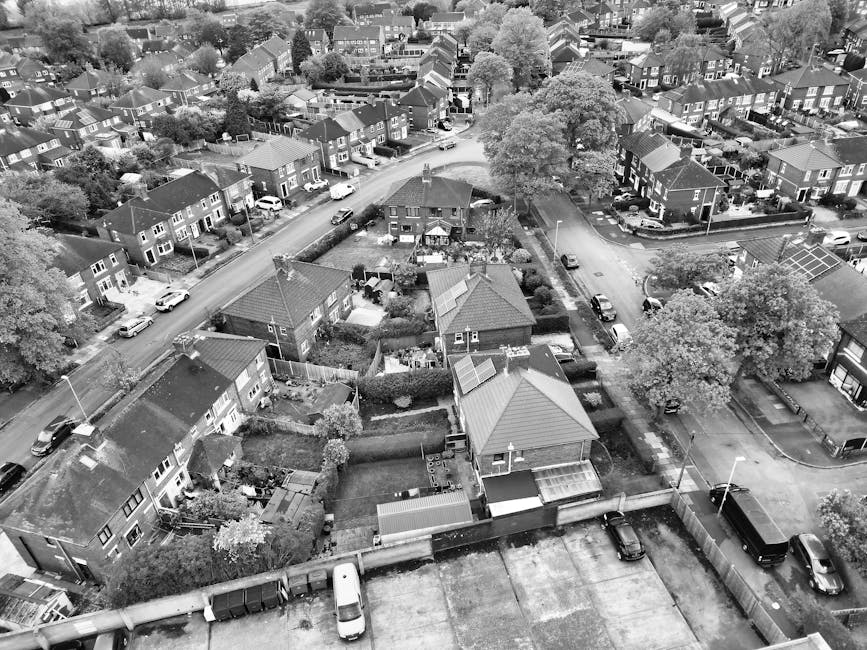
House removals in busy areas often benefit from an early site check. A quick look at the road can reveal low-hanging branches, width limits, residents' bays, permit-only zones, or the simple fact that a large van will not fit neatly where a small hatchback would.
It also helps to remember that house removals are not just about the first van. If you are using a man with van service in Enfield, a man and van option, or a larger team with a removal van, the parking needs may change quite a lot. Bigger vehicle, bigger headache if the road is tight. Simple as that.
Key Benefits and Practical Advantages
There is a reason experienced movers put parking near the top of the planning list. It is not glamorous, but it works.
- Faster loading and unloading. Shorter walking distances mean fewer trips and less fatigue.
- Lower risk of damage. Furniture is easier to move safely when the van is close to the door.
- Less stress on moving day. Nobody enjoys watching the clock while the driver hunts for a space.
- Reduced chance of fines or complaints. Staying within the local rules helps avoid unnecessary problems.
- Better coordination with neighbours. Good parking planning is simply more considerate in shared streets.
There is also a budget angle. If the van cannot stop near the property, the job may take longer. And once time starts stretching, costs can follow. This is why some customers end up checking pricing and quotes alongside parking plans, because the two are more connected than they first appear.
Expert summary: Good parking planning is not a luxury for house removals in Enfield; it is part of the move itself. If access is tight, plan early, confirm restrictions, and make the van's stopping point as straightforward as possible.
One small but real benefit: the removal team can work more efficiently when they are not constantly navigating kerbs, parked cars, or a long walk to the front door. Anyone who has carried a wardrobe down a narrow terrace street in drizzle will know exactly what that means. Not fun.
Who This Is For and When It Makes Sense
Parking permits or parking arrangements for removals are most relevant when there is likely to be friction between the vehicle and the street. That includes a lot of normal moves, especially in London, because even "easy" roads can become difficult once everyone else is trying to park too.
This topic matters most for:
- Homeowners moving from terraced streets where space is tight and kerb access matters.
- Flat movers who may be dealing with shared entrances, limited stopping areas, or permit zones. See also flat removals in Enfield.
- Families with large furniture who need close access for beds, wardrobes, white goods, and fragile items.
- Students and first-time movers who may not realise parking can affect the whole day.
- Anyone moving on a busy road where a van cannot just "pop outside for a bit."
It also makes sense if you are moving with limited time on the day, for example if your keys are handed over in the morning and you need to be out quickly. In those situations, the moving schedule can be tight enough without adding a parking puzzle.
If your move is part of a bigger life change - perhaps you are upsizing, downsizing, or relocating within the borough - local context matters too. Articles such as Enfield living from a resident's perspective and exploring Enfield as a suburb can help you feel a bit more grounded in the area before moving day arrives.
Step-by-Step Guidance
Here is a simple way to handle parking planning without overcomplicating it.
- Check both addresses early. Look at the old property and the new one. Parking at one end is not enough if the other end is a nightmare.
- Identify restrictions. Look for permit bays, pay-and-display signs, loading limits, yellow lines, school street timings, and any time-based restrictions.
- Measure the practical access. Ask yourself: can a large van stop nearby without blocking traffic or causing a hazard?
- Speak to the removal company. A good mover will want to know about access, street width, and likely parking challenges before the day.
- Decide whether a permit or other arrangement is needed. If the street is controlled, do not assume a van can just use any space.
- Build in extra time. Even a five-minute parking delay can ripple through the rest of the day.
- Confirm the plan in writing. Keep a note of who is responsible for the parking setup, what has been requested, and when.
That last point sounds formal, but it is handy. Moving day is one of those times when everyone remembers things slightly differently. A short message thread or booking note can save a fair bit of confusion. And yes, people do forget to check the parking sign while carrying a lamp. It happens.
If you are moving at short notice, the pressure is even greater. In that case, a service like same day removals in Enfield may be useful, but you will still want to lock down access as quickly as possible.
Expert Tips for Better Results
There are a few small habits that make parking planning much easier. None of them are dramatic. All of them help.
- Visit the street at the same time of day as your move. A road that looks calm at 11am may be packed at school run time or after work.
- Take photos of signs and kerb space. This is especially useful if you need to brief a mover or landlord.
- Check turning and reversing space. Parking is one thing; manoeuvring a long van is another.
- Keep neighbours in mind. A polite heads-up can prevent minor tensions before they start.
- Ask the removal team what vehicle they are using. The needs of a small van and a full-size removal lorry are very different.
- Leave room for delivery drivers and pedestrians. Do not assume every space can be blocked for hours.
Also, if you are moving delicate items or anything especially bulky, it can be worth pairing good parking with specialist handling. That might include furniture removals in Enfield or even piano removals in Enfield if the item is awkward enough to deserve its own plan. Parking close to the door makes those jobs much safer.
One more practical thought: if your move includes packed boxes, flat-pack furniture, or fragile household items, have them ready near the exit. A clear route and a legal parking position are a powerful combination. Rather boring on paper. Very useful in reality.
Common Mistakes to Avoid
This is where things usually go wrong. Not because people are careless, but because moving day is busy and parking gets treated as a side issue until the last minute.
- Assuming parking will "work itself out." It often does not.
- Ignoring the second address. Many people only check the old property and forget the new one.
- Not reading the signs carefully. A bay may be available only at certain times, or only for permit holders.
- Leaving it too late to plan access. Once the move starts, you do not get a second chance to create space.
- Booking a vehicle that is too large for the street. Bigger is not always better.
- Forgetting to consider neighbours, loading bays, or shared access. A little communication goes a long way.
Another common error is treating permits as an afterthought. If your move involves controlled parking or a busy high street, the permit question should be raised while you are still comparing quotes. That is one reason people look at removal companies in Enfield with local experience rather than choosing purely on price alone.
And yes, hidden extras matter too. A longer walk from the van to the door can create more labour time, which is exactly the sort of thing that can surprise people if they have not clarified it beforehand. A bit dull to discuss. Very worth discussing.
Tools, Resources and Recommendations
You do not need fancy tools for this. You need clarity, a decent eye for the street, and a few sensible checks.
- Your booking confirmation. Make sure access details are written down.
- Street photos. Helpful for the mover and for your own planning.
- A checklist of restricted times. Especially useful if there are timed bays or local loading rules.
- Boxes and labels. Not parking tools as such, but they help the load move quickly once the van is in place.
- Vehicle size guidance from the mover. Ask what size van is planned and whether it suits the street.
For a wider move-planning view, these pages can also help you think through the rest of the process: services overview, packing and boxes in Enfield, and storage in Enfield if you need to stage items before or after the move.
If you are comparing moving support, you may also find man and a van in Enfield and man with a van in Enfield useful for understanding the level of service that suits your street access and load size.
Law, Compliance, Standards, or Best Practice
Parking for removals touches on local parking controls, road safety, and the general duty to avoid obstruction. The exact legal requirements depend on the location, the type of restriction, and the nature of the vehicle movement. Because of that, it is best to treat this as a compliance issue rather than a casual convenience issue.
As a rule of thumb, the safest approach is:
- follow the on-street signs exactly
- do not assume a van can stop anywhere for "just a minute"
- keep access clear for pedestrians and emergency routes
- check whether any bay suspension, permit, or local authorisation is needed
- avoid blocking driveways, crossings, or junction visibility
Professional movers are also expected to work with reasonable care around vehicles, property, and public access. That is where good working practice comes in. A careful mover will think about the route from van to property, the width of the pavement, the likelihood of passing traffic, and whether an item should be wrapped before it even reaches the roadside.
On the customer side, it is smart to keep expectations realistic. If a street is tight, there may be delays. If there is no legal stopping place directly outside, the team may need to use a nearby bay or alternative access point. That is not a failure; it is just urban moving, which can be a bit of a faff. But manageable.
For anyone wanting a broader sense of how a local removals business works, insurance and safety and health and safety policy are sensible pages to review alongside parking arrangements.
Options, Methods, or Comparison Table
Different moves need different approaches. The right choice depends on the street, the vehicle, and how much time you have.
| Option | Best for | Pros | Watch out for |
|---|---|---|---|
| Use existing unrestricted parking | Quiet roads with enough space | Simple, fast, low admin | Not always available when you need it |
| Arrange a permit or local parking permission | Controlled streets and busy areas | More reliable access, less guesswork | Needs planning and timing |
| Choose a smaller vehicle | Tight roads or limited stopping space | Easier manoeuvring, less disruption | May require more trips |
| Use a managed removal service | Full-house moves, awkward access, fragile items | Professional coordination and better handling | Usually more planning needed upfront |
If you are comparing move styles, the more comprehensive services can often handle access issues more gracefully. For example, removal services in Enfield or removals in Enfield may be a better fit than a simple van hire if your street is awkward or your furniture is bulky.
Case Study or Real-World Example
Imagine a family moving from a two-up, two-down terrace in Enfield to a new home a few streets away. The old road is narrow, parked up on both sides, and on a weekday morning it gets busier than it first appears. At first glance, they think the van can stop outside the house. But once the moving lorry is measured against the street, it becomes obvious that "outside" is not realistic for long.
Instead of leaving it to chance, they check the road layout in advance, speak to the mover about vehicle size, and confirm a legal stopping point nearby. On the day, the van parks where it should, the crew knows the route, and the sofa goes out cleanly without a long drag down the pavement. The move still feels busy - of course it does - but it stays orderly.
Now compare that with a different family who assumes a space will open up. The van arrives, there is nowhere convenient to stop, the crew has to wait, and the first 30 minutes are spent circling the area. Nothing dramatic happens, but the whole day feels more tiring. Same furniture. Same street. Completely different experience.
If you are curious about different local moving setups, the blog on affordable removals in Enfield Town and the guide to same day removals in Palmers Green can give you a better sense of timing, access, and planning pressure.
Practical Checklist
Use this before moving day. It keeps the parking side from becoming a last-minute headache.
- Check the parking signs at both addresses.
- Confirm whether bays are resident-only, permit-only, or time-limited.
- Ask the mover what size vehicle they are bringing.
- Make sure the van can safely stop without blocking traffic.
- Allow extra time for loading if access is not right outside.
- Tell neighbours if the street will be busy for a while.
- Keep photos of the road and signs in case you need to refer back.
- Confirm any parking permission or local arrangement in advance.
- Prepare boxes so they can move quickly once the van arrives.
- Keep your phone handy on moving day in case the driver needs to coordinate access.
A simple list, but it can save a lot of stress. Sometimes boring is beautiful.
Conclusion
Enfield Council parking permits for house removals are really about one thing: making your move possible, legal, and far less stressful. If the street is simple, great. If it is not, a little early planning can make an enormous difference. You do not need to become a parking expert overnight, but you do need to take access seriously.
The best moves tend to be the ones where the practical pieces are handled early. Parking. Vehicle size. Loading route. Timing. These small details carry more weight than most people expect, especially in a busy part of London where a clear stopping place can disappear in seconds.
If you plan your parking properly, the rest of the move has a much better chance of feeling calm, efficient, and manageable. Which, let's face it, is exactly what you want when your home is packed in cardboard and the kettle is nowhere to be found.
Get a free quote today and see how much you can save.
And if you are still weighing up the best moving setup, taking a few minutes now to think about parking may be the small step that makes everything else easier later. It really does matter.